

Your Journey, Our Expertise...
Menu

Manaslu Circuit Trek, Nepal.. guide and poter service , special permit and hotel in kathmandu 12-13 days/ minmimum 5 pax

14 Days • moderately • Best season: march to may ,september to december
Manaslu Circuit Trek, Nepal.. guide and poter service , special permit and hotel in kathmandu 12-13 days/ minmimum 5 pax

Overview

Manaslu Circuit Trek – A Complete Himalayan Adventure

Manaslu Circuit Trek, Nepal

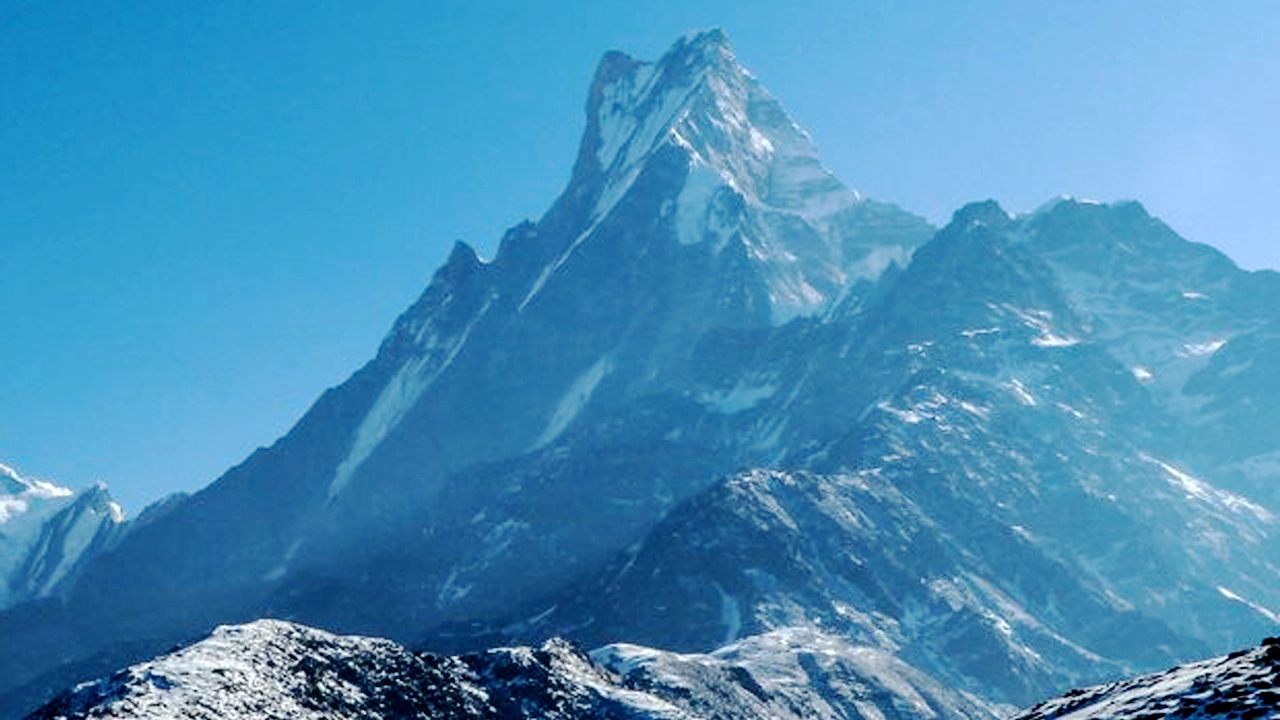
The Manaslu Circuit Trek is one of Nepal's most spectacular and unspoiled trekking adventures. Circling the majestic Mount Manaslu (8,163 m), the eighth-highest mountain in the world, this trek offers breathtaking Himalayan scenery, authentic Tibetan Buddhist culture, remote mountain villages, and the thrilling crossing of Larke La Pass (5,106 m). Unlike the busier Everest and Annapurna regions, the Manaslu Circuit remains peaceful, less crowded, and ideal for trekkers seeking a true Himalayan wilderness experience. The classic route covers approximately 177 km (110 miles) over 12–16 days, beginning in the Budhi Gandaki Valley and ending in the Marsyangdi Valley at Dharapani.

Trek Highlights

  • Trek around the world's eighth-highest mountain, Mount Manaslu (8,163 m).
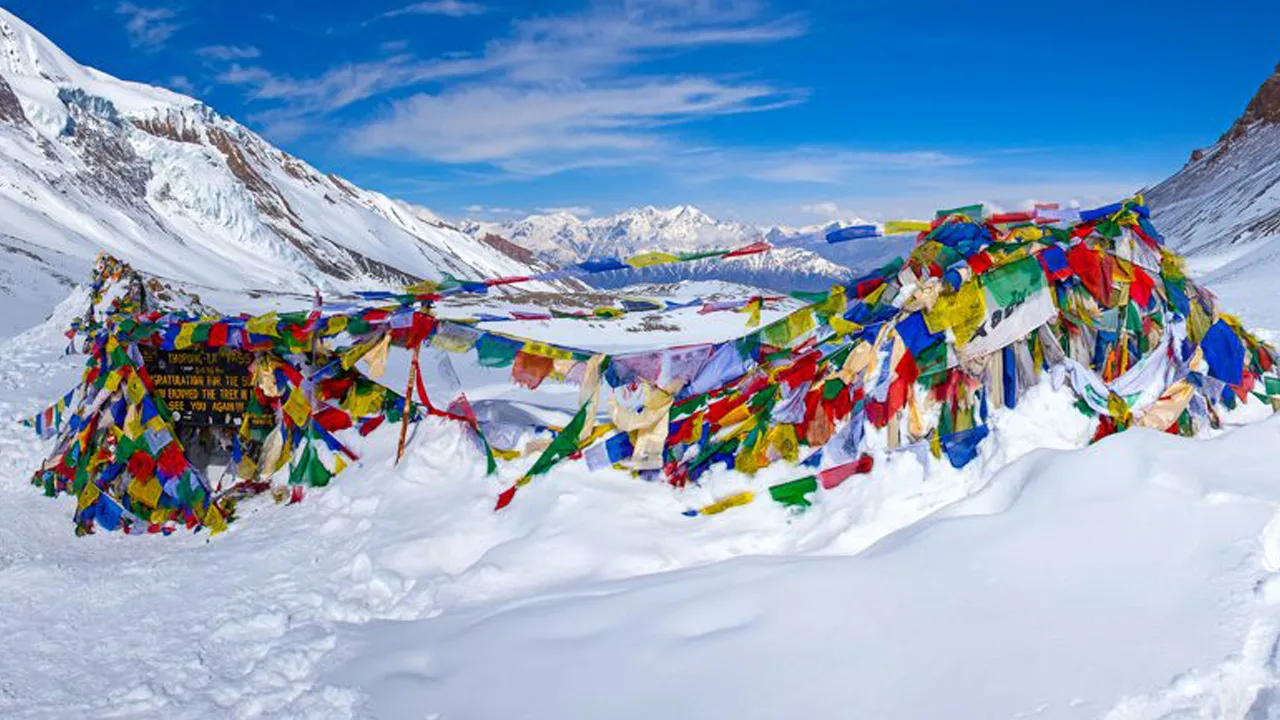
  • Cross the spectacular Larke La Pass (5,106 m).
  • Experience authentic Tibetan Buddhist culture and ancient monasteries.
  • Walk through remote Gurung and Nubri villages.
  • Explore the beautiful Manaslu Conservation Area.
  • Enjoy panoramic views of Manaslu, Himalchuli, Ngadi Chuli, Ganesh Himal, Cheo Himal, Himlung Himal, Kang Guru, and Annapurna II.
  • Stay in traditional mountain tea houses and lodges.
  • Trek through forests, waterfalls, rivers, glaciers, alpine meadows, and high Himalayan landscapes.

Why Choose the Manaslu Circuit Trek?

The Manaslu Circuit is one of Nepal's finest trekking routes because it combines incredible mountain scenery with rich cultural heritage. The trail follows the Budhi Gandaki River through lush subtropical forests before climbing into alpine valleys surrounded by snow-covered peaks. Along the journey, trekkers visit centuries-old Buddhist monasteries, cross dramatic suspension bridges, and meet local people whose traditions remain strongly influenced by Tibetan culture.

Unlike more crowded trekking regions, the Manaslu Circuit offers a quieter and more authentic Himalayan experience. Every day brings changing landscapes, from green rice terraces and waterfalls to glaciers, yak pastures, and rugged mountain passes.

Trail Conditions

The Manaslu Circuit Trek follows a combination of stone staircases, natural mountain trails, forest paths, suspension bridges, glacial moraines, and alpine terrain. Lower sections are well-maintained but include frequent ascents and descents along the Budhi Gandaki River. Higher elevations above Samagaon become more open and rocky, while the route to Larke La Pass involves steep mountain trails, loose rocks, and seasonal snow. Good physical fitness and proper acclimatization are essential for a safe and enjoyable trek.

Accommodation

Accommodation throughout the trek is provided in local tea houses and mountain lodges. Rooms are generally twin-sharing with comfortable beds, blankets, and shared bathrooms. Dining halls are warm and welcoming, often heated by a central stove during the evenings. At higher elevations, especially at Dharamsala (Larke Phedi), facilities become simpler, reflecting the remote nature of the region.

Food During the Trek

Tea houses provide freshly prepared meals including:

  • Dal Bhat (traditional Nepali meal)
  • Fried rice
  • Noodles
  • Pasta
  • Soups
  • Momos
  • Tibetan bread
  • Pancakes
  • Eggs
  • Potatoes
  • Fresh seasonal vegetables
  • Tea, coffee, hot chocolate, and other hot drinks

Nutritious meals help maintain energy throughout the trek.

Flora and Fauna

The Manaslu Conservation Area is one of Nepal's richest biodiversity regions. The trek passes through several vegetation zones:

Lower Region

  • Sal forests
  • Bamboo forests
  • Rice terraces
  • Banana trees

Middle Hills

  • Pine forests
  • Oak forests
  • Maple
  • Rhododendron forests

Upper Alpine Region

  • Juniper
  • Birch
  • Alpine shrubs
  • High-altitude meadows

Wildlife may include:

  • Himalayan Monal (Nepal's national bird)
  • Musk Deer
  • Blue Sheep
  • Himalayan Tahr
  • Langur Monkeys
  • Himalayan Griffon Vultures
  • Golden Eagles
  • Snow Leopard (rare)
  • Red Fox

Culture and Local People

The lower villages are mainly inhabited by Gurung and other hill communities, while the upper Nubri Valley is home to Tibetan Buddhist people. Prayer wheels, mani walls, chortens, colorful prayer flags, and ancient monasteries line the trail, creating a deeply spiritual atmosphere. Visitors experience genuine Himalayan hospitality and centuries-old traditions that have changed little over time.

Best Time to Trek

The best seasons for the Manaslu Circuit Trek are:

Spring (March–May)

  • Clear mountain views
  • Rhododendron forests in bloom
  • Pleasant temperatures

Autumn (September–November)

  • Stable weather
  • Excellent visibility
  • Comfortable trekking conditions

Winter trekking is possible but may involve snow at Larke La Pass, while the monsoon season brings heavy rainfall and slippery trails.

Trek Difficulty

The Manaslu Circuit Trek is considered moderate to challenging. Trekkers walk approximately 5–8 hours per day through varied terrain and reach a maximum altitude of 5,106 metres. The combination of high altitude, long walking days, and the crossing of Larke La Pass makes good physical fitness and acclimatization important. Previous trekking experience is helpful but not essential with proper preparation and experienced guides.

Why Trek with Nepal Voyage Treks?

At Nepal Voyage Treks, we are committed to providing safe, professional, and unforgettable Himalayan adventures. Our experienced local guides have extensive knowledge of the Manaslu region, its culture, mountains, and trails. We focus on personalized service, safety, sustainable tourism, and authentic local experiences.

Whether you are an experienced trekker or visiting Nepal for your first Himalayan adventure, our dedicated team will make your Manaslu Circuit Trek a lifetime memory.

Join Nepal Voyage Treks and discover the untouched beauty of the Manaslu Himalaya.

Manaslu Circuit Trek, Nepal.. guide and poter service , special permit and hotel in kathmandu 12-13 days/ minmimum 5 pax

Trekking & Hiking Adventure

Region Annapurna Region
Duration 12-13 days
Grade Moderately
Meal By your self
Group Size 1- 30 peoples
Accomodation Guest house , lodge tea souse
Best Season March to may ,september to december
Start/End Kathmandu to kathmandu
Max Altitude 5,116m
Activity Trekking
Day 1 — Welcome to Nepal – Arrival at Tribhuvan International Airport (1,400 m)
Ups ↑ -0 m
Distance ⟺ 14oo...

Welcome to Nepal – Arrival at Tribhuvan International Airport (1,400 m)

Elevation: 1,400 m (4,593 ft)
Driving Time: 20–30 minutes (depending on traffic)
Accommodation: 3-Star/4-Star Hotel in Kathmandu
Meals: Welcome Dinner

Welcome to Nepal!

Upon your arrival at Tribhuvan International Airport (TIA) in Kathmandu, you will be warmly welcomed by a friendly representative from Nepal Voyage Treks. Our guide will be waiting for you outside the international arrival terminal, holding a sign with your name or the Nepal Voyage Treks company logo for easy identification. International arrivals exit through the designated arrival area after completing immigration, baggage claim, and customs procedures.

After meeting your guide, you will be transferred to your hotel in a private tourist vehicle. The type of vehicle depends on the size of your group (pax):

  • 1–2 guests: Private Car
  • 3–6 guests: Private Van
  • 7–12 guests: Hiace Van
  • 13–20 guests: Private Mini Bus
  • More than 20 guests: Tourist Bus

The journey from the airport to your hotel in Kathmandu usually takes 20–30 minutes, depending on traffic conditions.

After checking into your hotel, you will have time to relax, freshen up, or explore the nearby streets of Kathmandu at your leisure.

In the evening, you are invited to a traditional Nepali Welcome Dinner at a carefully selected local restaurant. During the dinner, you will enjoy Nepal's famous national dish, Dal Bhat, served with steamed rice, lentil soup, seasonal vegetables, pickles, and your choice of chicken or vegetarian curry. This healthy and nutritious meal is a favorite among trekkers throughout the Himalayas.

Your trekking guide will also provide a short trek briefing, check your equipment, answer any questions, and explain the upcoming adventure around the magnificent Manaslu Circuit.

Overnight stay at your hotel in Kathmandu.

Highlights

  • Warm airport welcome by Nepal Voyage Treks.
  • Private airport transfer according to group size.
  • Comfortable hotel accommodation in Kathmandu.
  • Traditional Nepali welcome dinner.
  • Trek briefing and final preparation with your guide.
  • First taste of authentic Nepali hospitality.

)

Elevation: 1,400 m (4,593 ft)
Driving Time: 20–30 minutes (depending on traffic)
Accommodation: 3-Star/4-Star Hotel in Kathmandu
Meals: Welcome Dinner

Welcome to Nepal!

Upon your arrival at Tribhuvan International Airport (TIA) in Kathmandu, you will be warmly welcomed by a friendly representative from Nepal Voyage Treks. Our guide will be waiting for you outside the international arrival terminal, holding a sign with your name or the Nepal Voyage Treks company logo for easy identification. International arrivals exit through the designated arrival area after completing immigration, baggage claim, and customs procedures.

After meeting your guide, you will be transferred to your hotel in a private tourist vehicle. The type of vehicle depends on the size of your group (pax):

  • 1–2 guests: Private Car
  • 3–6 guests: Private Van
  • 7–12 guests: Hiace Van
  • 13–20 guests: Private Mini Bus
  • More than 20 guests: Tourist Bus

The journey from the airport to your hotel in Kathmandu usually takes 20–30 minutes, depending on traffic conditions.

After checking into your hotel, you will have time to relax, freshen up, or explore the nearby streets of Kathmandu at your leisure.

In the evening, you are invited to a traditional Nepali Welcome Dinner at a carefully selected local restaurant. During the dinner, you will enjoy Nepal's famous national dish, Dal Bhat, served with steamed rice, lentil soup, seasonal vegetables, pickles, and your choice of chicken or vegetarian curry. This healthy and nutritious meal is a favorite among trekkers throughout the Himalayas.

Your trekking guide will also provide a short trek briefing, check your equipment, answer any questions, and explain the upcoming adventure around the magnificent Manaslu Circuit.

Overnight stay at your hotel in Kathmandu.

Highlights

  • Warm airport welcome by Nepal Voyage Treks.
  • Private airport transfer according to group size.
  • Comfortable hotel accommodation in Kathmandu.
  • Traditional Nepali welcome dinner.
  • Trek briefing and final preparation with your guide.
  • First taste of authentic Nepali hospitality.
Accomodation: hotel
Meals: dinner
Day 2 — Drive from Kathmandu to Machha Khola (900m)Distance:
Ups ↑ -1,100m m
Down ↓ -0 m
Elevation 900 m
Distance ⟺ Approx. 160 km


Drive from Kathmandu to Machha Khola (900m)Distance:

Approx. 160 km

Driving Time:

7–9 hours

Elevation:

  • Kathmandu: 1,400m
  • Machha Khola: 900m

Ascent:

Approximately +600m

Descent:

Approximately -1,100m


Day Overview

Your Manaslu Circuit adventure begins with a scenic drive from Kathmandu towards the western Himalayan foothills. After breakfast, we leave the busy capital city and follow the Prithivi Highway along the Trishuli River. The journey passes through beautiful countryside landscapes, terraced farmland, traditional villages, and green hills.

From Dhading Besi, the road becomes more adventurous as we enter the remote Gorkha region. The route follows the Budhi Gandaki River valley, which will accompany us throughout the trek.

The drive offers beautiful views of Ganesh Himal, Manaslu Himalayan ranges, waterfalls, rivers, and rural Nepalese lifestyles.

Machha Khola is a small riverside village where trekkers stay overnight before beginning the walking journey.


Mountain Visibility

During clear weather:

  • Ganesh Himal Range
  • Langtang Himalayan Range
  • Shringi Himal
  • Manaslu Range (distant views)

Landscape & Trail Highlights

  • Trishuli River valley
  • Green middle hills of Nepal
  • Rice terraces
  • Traditional Gurung villages
  • Budhi Gandaki River
  • Natural hot springs near Machha Khola

Flora

The lower Manaslu region is rich in biodiversity:

  • Sal forest
  • Schima-Castanopsis forest
  • Bamboo
  • Pine trees
  • Wild orchids
  • Fern vegetation
  • Tropical plants

Fauna

Possible wildlife sightings:

  • Himalayan Langur monkeys
  • Barking deer
  • Wild boar
  • Various butterflies
  • Eagles
  • Himalayan birds

Accommodation

Mountain Lodge / Tea House

Meals

Breakfast, Lunch, Dinner


Accomodation: lodge
Meals: B/L/D
Duration: 7–9 hours
Day 3 — Machha Khola (900m) to Jagat (1,340m)
Ups ↑ +700m m
Down ↓ -180 m
Elevation 1340 m
Distance ⟺ 22 km

Machha Khola (900m) to Jagat (1,340m)

Distance:

22 km

Walking Hours:

6–7 hours

Elevation:

  • Starting: 900m
  • Ending: 1,340m

Ascent:

+700m

Descent:

-260m


Day Overview

Today is the first trekking day of the Manaslu Circuit. After breakfast, we follow the narrow Budhi Gandaki River valley through beautiful landscapes and traditional settlements.

The trail crosses several suspension bridges and passes through small villages such as Khorlabesi and Tatopani. Tatopani is famous for its natural hot springs where locals and trekkers traditionally relax.

The trail continues through forests and rocky pathways before reaching Dobhan and Thulo Dunga. After crossing another bridge, we gradually climb towards Jagat village.

Jagat is an important historical village and an official entry point of the Manaslu Conservation Area. The village has beautiful stone-paved streets and traditional Gurung architecture.


Mountain Views

Visible peaks:

  • Ganesh Himal
  • Shringi Himal
  • Himalchuli
  • Manaslu foothills

Flora

  • Bamboo forests
  • Sal trees
  • Pine
  • Rhododendron (lower varieties)
  • Wild medicinal plants

Fauna

  • Himalayan birds
  • Langur monkeys
  • Mountain goats
  • Butterflies

Trail Highlights

  • Budhi Gandaki River gorge
  • Natural hot springs at Tatopani
  • Suspension bridges
  • Waterfalls
  • Traditional villages
  • Gurung culture

Accommodation

Tea House Lodge in Jagat

Meals

Breakfast, Lunch, Dinner


Day 3: Jagat (1,340m) to Deng (1,860m)

Distance:

19 km

Walking Hours:

6–7 hours

Elevation:

  • Jagat: 1,340m
  • Deng: 1,860m

Ascent:

+900m

Descent:

-380m


Day Overview

After breakfast, we begin walking through the restricted Manaslu region. The trail climbs gradually through beautiful forests and mountain villages.

We pass Salleri and Sirdibas villages, where the Tibetan Buddhist influence becomes stronger. The trail continues towards Philim, one of the largest villages in the valley.

Philim is famous for its traditional stone houses, farmland, and beautiful mountain surroundings.

From Philim, the trail enters a beautiful forest area filled with pine, rhododendron, and bamboo. We cross several bridges and waterfalls before reaching Deng.

Deng is a peaceful mountain village located beside the Budhi Gandaki River.


Mountain Visibility

  • Himalchuli (7,893m)
  • Shringi Himal (7,161m)
  • Ganesh Himal Range
  • Manaslu foothills

Flora

  • Bamboo forest
  • Rhododendron
  • Himalayan pine
  • Juniper
  • Medicinal herbs

Fauna

  • Himalayan Thar
  • Blue sheep (higher areas)
  • Monkeys
  • Himalayan birds

Trail Highlights

  • Philim village
  • Buddhist monasteries
  • Mani walls
  • Waterfalls
  • Deep river valleys
  • Remote Himalayan lifestyle

Accommodation

Tea House in Deng

Meals

Breakfast, Lunch, Dinner


Day 4: Deng (1,860m) to Namrung (2,630m)

Distance:

18 km

Walking Hours:

6–7 hours

Elevation:

Starting: 1,860m
Ending: 2,630m

Ascent:

+950m

Descent:

-180m


Day Overview

Today the landscape changes dramatically as we gain altitude. The trail follows the Budhi Gandaki River through dense forests and beautiful Himalayan scenery.

After breakfast, we cross the river and walk through bamboo and pine forests towards Rana village and Bihi Phedi.

The trail provides the first impressive views of the Manaslu Himalayan range. As we approach Namrung, the environment becomes more alpine with cooler temperatures and Tibetan cultural influences.

Namrung is one of the most beautiful villages on the Manaslu route. It is surrounded by mountains, forests, and traditional stone houses.


Mountain Visibility

Excellent views of:

  • Mount Manaslu (8,163m)
  • Himalchuli (7,893m)
  • Ngadi Chuli (7,871m)
  • Shringi Himal
  • Ganesh Himal

Flora

  • Blue pine
  • Himalayan fir
  • Rhododendron forest
  • Birch trees
  • Juniper

Fauna

  • Himalayan Monal
  • Musk deer
  • Himalayan Thar
  • Snow leopard (rare)
  • Eagles

Trail Highlights

  • First close Himalayan views
  • Tibetan Buddhist villages
  • Mani walls
  • Prayer flags
  • Alpine forests
  • Traditional mountain lifestyle

Accommodation

Tea House in Namrung

Meals

Breakfast, Lunch, Dinner

Accomodation: lodge
Meals: B/L/D
Duration: 6–7 hours
Day 4 — Jagat (1,340m) to Deng (1,860m)
Ups ↑ 6–7 hours m
Down ↓ -380 m
Elevation 1860 m
Distance ⟺ 19 km

Jagat (1,340m) to Deng (1,860m)

Distance:

19 km

Walking Hours:

6–7 hours

Elevation:

  • Jagat: 1,340m
  • Deng: 1,860m

Ascent:

6–7 hours

Descent:

-380m


Day Overview

After breakfast, we begin walking through the restricted Manaslu region. The trail climbs gradually through beautiful forests and mountain villages.

We pass Salleri and Sirdibas villages, where the Tibetan Buddhist influence becomes stronger. The trail continues towards Philim, one of the largest villages in the valley.

Philim is famous for its traditional stone houses, farmland, and beautiful mountain surroundings.

From Philim, the trail enters a beautiful forest area filled with pine, rhododendron, and bamboo. We cross several bridges and waterfalls before reaching Deng.

Deng is a peaceful mountain village located beside the Budhi Gandaki River.


Mountain Visibility

  • Himalchuli (7,893m)
  • Shringi Himal (7,161m)
  • Ganesh Himal Range
  • Manaslu foothills

Flora

  • Bamboo forest
  • Rhododendron
  • Himalayan pine
  • Juniper
  • Medicinal herbs

Fauna

  • Himalayan Thar
  • Blue sheep (higher areas)
  • Monkeys
  • Himalayan birds

Trail Highlights

  • Philim village
  • Buddhist monasteries
  • Mani walls
  • Waterfalls
  • Deep river valleys
  • Remote Himalayan lifestyle

Accommodation

Tea House in Deng

Meals

Breakfast, Lunch, Dinner

Accomodation: lodge
Meals: B/L/D
Duration: 6–7 hours
Day 5 — Deng (1,860m) to Namrung (2,630m)
Ups ↑ +950m m
Down ↓ -180 m
Elevation 2630 m
Distance ⟺ 18 km

Deng (1,860m) to Namrung (2,630m)

Distance:

18 km

Walking Hours:

6–7 hours

Elevation: 2630m

Starting: 1,860m
Ending: 2,630m

Ascent:

+950m

Descent:

-180m


Day Overview

Today the landscape changes dramatically as we gain altitude. The trail follows the Budhi Gandaki River through dense forests and beautiful Himalayan scenery.

After breakfast, we cross the river and walk through bamboo and pine forests towards Rana village and Bihi Phedi.

The trail provides the first impressive views of the Manaslu Himalayan range. As we approach Namrung, the environment becomes more alpine with cooler temperatures and Tibetan cultural influences.

Namrung is one of the most beautiful villages on the Manaslu route. It is surrounded by mountains, forests, and traditional stone houses.


Mountain Visibility

Excellent views of:

  • Mount Manaslu (8,163m)
  • Himalchuli (7,893m)
  • Ngadi Chuli (7,871m)
  • Shringi Himal
  • Ganesh Himal

Flora

  • Blue pine
  • Himalayan fir
  • Rhododendron forest
  • Birch trees
  • Juniper

Fauna

  • Himalayan Monal
  • Musk deer
  • Himalayan Thar
  • Snow leopard (rare)
  • Eagles

Trail Highlights

  • First close Himalayan views
  • Tibetan Buddhist villages
  • Mani walls
  • Prayer flags
  • Alpine forests
  • Traditional mountain lifestyle

Accommodation

Tea House in Namrung

Meals

Breakfast, Lunch, Dinner

Accomodation: guest house
Meals: B/L/D
Duration: 6–7 hours
Day 6 — Namrung (2,630m) – Shyala Village (3,500m) – tommorow Pungyen Gompa (4,050m) – Samagaon (3,530m)
Ups ↑ +1,450m m
Down ↓ -550 m
Elevation 3500 m
Distance ⟺ Approx. 15 km trekking

Namrung (2,630m) – Shyala Village (3,500m) – Pungyen Gompa (4,050m) – Samagaon (3,530m)

Distance:

Approx. 15 km trekking

Walking Hours:

7–8 hours

Elevation:

  • Starting Point: Namrung 2,630m
  • Highest Point: Pungyen Gompa 4,050m
  • Overnight: Samagaon 3,530m

Ascent:

+1,450m

Descent:

-550m

Trail Difficulty:

Moderate to Challenging


Day Overview

Today is one of the most spectacular days of the entire Manaslu Circuit Trek. After breakfast in Namrung, we continue climbing through the upper Himalayan landscape where the scenery changes from forest to alpine terrain.

The trail passes through Lihi and Sho villages, where you can observe traditional Tibetan-influenced culture, stone houses, barley fields, prayer wheels, and ancient Buddhist monasteries.

As we gain altitude, magnificent views of Mount Manaslu (8,163m) begin to dominate the horizon. The trail gradually reaches Shyala village, one of the most beautiful viewpoints in the Manaslu region.

From Shyala, we take a side trip toward the hidden valley of Pungyen Gompa, an ancient Buddhist monastery located beneath the Manaslu massif. This peaceful monastery offers incredible views of glaciers, mountains, and alpine landscapes.

After exploring Pungyen Gompa, we descend gradually toward Samagaon, the largest village in the upper Manaslu region.


Mountain Visibility

Exceptional views:

  • Mount Manaslu (8,163m)
  • Manaslu North (6,994m)
  • Himalchuli (7,893m)
  • Ngadi Chuli (7,871m)
  • Naike Peak
  • Samdo Peak

Flora

At this altitude, vegetation becomes alpine:

  • Blue pine
  • Juniper
  • Birch
  • Alpine grass
  • Wildflowers
  • Medicinal Himalayan plants

Fauna

Possible sightings:

  • Himalayan blue sheep (Bharal)
  • Himalayan marmot
  • Snow pigeon
  • Himalayan griffon
  • Golden eagle
  • Musk deer

Trail Highlights

✓ Shyala mountain viewpoint
✓ Pungyen Gompa ancient monastery
✓ Tibetan Buddhist culture
✓ Glacier views
✓ Manaslu panoramic scenery
✓ Traditional Samagaon village


Accommodation

Mountain Tea House, Samagaon

Meals

Breakfast, Lunch, Dinner

Accomodation: guest house
Meals: B/L/D
Duration: 7–8 hours
Day 7 — Exploration Day in Samagaon – Birendra Tal Lake Excursion or manaslu basecamp
Ups ↑ +250m m
Down ↓ 250 m
Elevation 4800 m
Distance ⟺ 5- birendra tal ,,,,24 km both way manaslu bcp

Exploration Day in Samagaon – Birendra Tal Lake Excursion

Distance:

Approx. 8–10 km round trip

Walking Hours:

4–5 hours

Elevation:

  • Samagaon: 3,530m
  • Birendra Lake: 3,691m

Ascent:

+250m

Descent:

+250m


Day Overview

Today is an important acclimatization day before crossing the high Larkya La Pass.

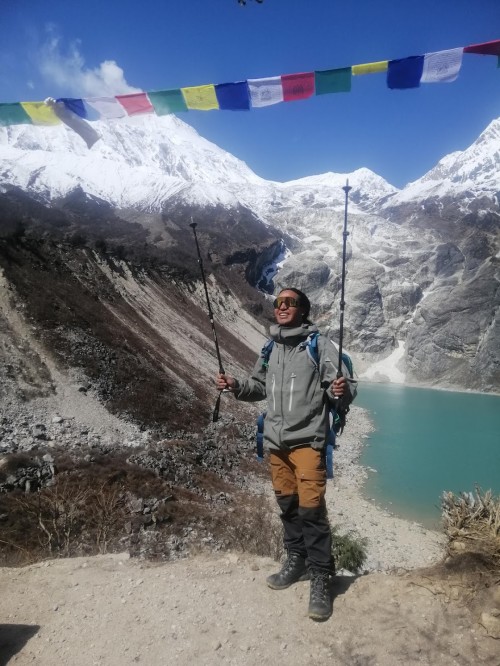
After breakfast, we take a short but beautiful hike to Birendra Tal, a stunning glacier lake located below the Manaslu Glacier.

The turquoise-colored lake reflects the surrounding snow-covered peaks and provides one of the best photography locations in the Manaslu region.

The walk also helps your body adapt to the increasing altitude.

After returning to Samagaon, guests can explore the village, visit monasteries, interact with local people, and experience authentic Tibetan mountain culture.


Mountain Visibility

Amazing views:

  • Manaslu Glacier
  • Mount Manaslu
  • Peak 29
  • Himalchuli
  • Samdo Peak

Flora

  • Alpine meadows
  • Juniper bushes
  • Short Himalayan grasses
  • Wild medicinal plants

Fauna

  • Blue sheep
  • Himalayan marmot
  • Mountain birds
  • Eagles
  • Himalayan pika

Highlights

✓ Birendra Glacier Lake
✓ Manaslu Base Camp viewpoint
✓ Samagaon monastery
✓ Tibetan culture
✓ Acclimatization before high pass


Accommodation

Samagaon Tea House

Meals

Breakfast, Lunch, Dinner


Accomodation: guest house
Meals: B/L/D
Duration: 3- 7
Day 8 — Samagaon (3,530m) to Samdo (3,875m)
Ups ↑ +400m m
Elevation 3875 m
Distance ⟺ 8 km

Samagaon (3,530m) to Samdo (3,875m)

Distance:

8 km

Walking Hours:

3–4 hours

Ascent:

+400m

Descent:

-50m


Day Overview

Today is a shorter trekking day designed for gradual altitude adjustment.

Leaving Samagaon, the trail follows the Budhi Gandaki River toward the Tibetan border area. The landscape becomes more open, dry, and dramatic.

The trail passes through yak grazing areas and alpine valleys. Samdo is a traditional Tibetan refugee settlement and one of the highest permanent villages in Nepal.

The village offers incredible views of Manaslu, Samdo Peak, and surrounding Himalayan landscapes.


Mountain Visibility

  • Manaslu
  • Samdo Peak
  • Nagdi Chuli
  • Larkya Peak
  • Himalchuli

Flora

  • Juniper
  • Alpine grass
  • Low bushes
  • Hardy mountain vegetation

Fauna

  • Blue sheep
  • Himalayan marmot
  • Snow birds
  • Eagles

Highlights

✓ Tibetan village lifestyle
✓ Yak pastures
✓ Border region landscape
✓ Himalayan wilderness


Accommodation

Samdo Tea House

Meals

Breakfast, Lunch, Dinner


Day 8: Samdo (3,875m) to Dharamsala / Larkya Base Camp (4,460m)

Distance:

11 km

Walking Hours:

4–5 hours

Ascent:

+700m

Descent:

-100m


Day Overview

Today we trek toward the base of the famous Larkya La Pass.

The trail crosses beautiful alpine landscapes, streams, and ancient trading routes used between Nepal and Tibet.

The scenery becomes increasingly dramatic as we approach the high mountain zone.

Dharamsala is a basic mountain settlement where trekkers prepare for the next day's challenging Larkya La Pass crossing.


Mountain Visibility

  • Manaslu
  • Larkya Peak
  • Cheo Himal
  • Himlung Himal
  • Kang Guru

Flora

  • Alpine shrubs
  • Juniper
  • Rock vegetation

Fauna

  • Blue sheep
  • Himalayan birds
  • Marmots

Accommodation

Dharamsala Mountain Lodge

Accomodation: lodge
Meals: B/L/D
Duration: 3–4 hours
Day 9 — Dharamsala (4,460m) – Larkya La Pass (5,160m) – Bhimthang (3,720m)
Ups ↑ +700m m
Down ↓ -1440 m
Elevation 5160 m
Distance ⟺ 17 km

Dharamsala (4,460m) – Larkya La Pass (5,160m) – Bhimthang (3,720m)

Distance:

17 km

Walking Hours:

8–10 hours

Highest Elevation:

Larkya La Pass 5,160m

Ascent:

+700m

Descent:

-1,440m


Day Overview

This is the most challenging and rewarding day of the Manaslu Circuit Trek.

We start early morning and climb gradually toward the magnificent Larkya La Pass, one of Nepal's most beautiful Himalayan passes.

The trail crosses glaciers, rocky landscapes, and high mountain terrain.

From the top of Larkya La Pass, trekkers enjoy breathtaking panoramic views of:

  • Manaslu Range
  • Himlung Himal
  • Cheo Himal
  • Kang Guru
  • Annapurna II

After celebrating the achievement, we descend carefully toward Bhimthang village.


Flora

  • Alpine grasses
  • Juniper
  • Himalayan herbs

Fauna

  • Blue sheep
  • Himalayan birds
  • Mountain goats

Highlight

★★★★★ Crossing Larkya La Pass at 5,160m


Accommodation

Bhimthang Lodge

Accomodation: lodge
Meals: B/L/D
Duration: 8–10 hours
Day 10 — Bhimthang (3,720m) to Gowa (2,515m)
Ups ↑ +150m m
Down ↓ -850 m
Elevation 2515 m
Distance ⟺ 15 km

Bhimthang (3,720m) to Gowa (2,515m)

Distance:

15 km

Walking Hours:

5–6 hours

Ascent:

+150m

Descent:

-1,350m


Day Overview

After crossing the high Himalayan pass, today's trail descends into greener landscapes.

The route passes through rhododendron forests, waterfalls, and beautiful mountain villages.

The dramatic alpine environment gradually changes into lush forest areas.


Mountain Views

  • Manaslu Range
  • Phungi Peak
  • Lamjung Himal
  • Annapurna Range

Flora

  • Rhododendron
  • Pine
  • Oak
  • Bamboo

Fauna

  • Deer
  • Monkeys
  • Himalayan birds

Day 11: Gowa (2,515m) to Dharapani (1,860m)

Distance:

18 km

Walking Hours:

6 hours

Ascent:

+200m

Descent:

-850m


Day Overview

The final trekking day follows beautiful forest trails and connects with the Annapurna Circuit region.

We pass traditional villages, waterfalls, and rivers before reaching Dharapani.

Dharapani is a major settlement connected with the Annapurna trekking route.


Highlights

✓ Forest walking
✓ Gurung villages
✓ Marshyangdi River valley
✓ End of Manaslu trekking section

Accomodation: lodge
Meals: B/L/D
Duration: 5–6 hours
Day 11 — Gowa (2,515m) to Dharapani (1,860m)
Ups ↑ 6 hours m
Down ↓ -850 m
Elevation 1860 m
Distance ⟺ 18 km

Gowa (2,515m) to Dharapani (1,860m)

Distance:

18 km

Walking Hours:

6 hours

Ascent:

+200m

Descent:

-850m


Day Overview

The final trekking day follows beautiful forest trails and connects with the Annapurna Circuit region.

We pass traditional villages, waterfalls, and rivers before reaching Dharapani.

Dharapani is a major settlement connected with the Annapurna trekking route.


Highlights

✓ Forest walking
✓ Gurung villages
✓ Marshyangdi River valley
✓ End of Manaslu trekking section


Accomodation: lodge
Meals: B/L/D
Duration: 6 hours
Day 12 — Drive Dharapani to Kathmandu <farewell dinner befor depature>by nepal voyage trekking
Ups ↑ +200 m
Down ↓ -100 m
Elevation 1400 m
Distance ⟺ Approx. 220 km

Drive Dharapani to Kathmandu

Distance:

Approx. 220 km

Driving Time:

8–10 hours

Elevation:

  • Dharapani: 1,860m
  • Kathmandu: 1,400m

Day Overview

After breakfast, we drive back to Kathmandu through beautiful mountain highways.

The journey follows the Marsyangdi River and Trishuli River valleys, passing waterfalls, villages, terraced farms, and countryside landscapes.

Upon arrival in Kathmandu, our Manaslu Circuit Trek officially concludes.


Trek Completed Successfully

Memories You Take Home:

✓ Close view of Mount Manaslu (8,163m)
✓ Pungyen Gompa spiritual experience
✓ Birendra Glacier Lake adventure
✓ Larkya La Pass achievement
✓ Tibetan Himalayan culture
✓ Remote village experiences
✓ Lifetime Himalayan memories


Accomodation: hotel
Meals: B/L/D
Duration: 8–10 hours
Day 13 — UNESCO World Heritage Sites of Kathmandu Valley, Nepal... if intesting but i recomended you ,cost per person is 50 $ or euro
Ups ↑ -000 m
Down ↓ -000 m
Elevation 1350 m
Distance ⟺ 50 km

UNESCO World Heritage Sites of Kathmandu Valley, Nepal

Historical & Cultural Introduction for International Visitors

Kathmandu Valley Cultural Heritage Tour – Nepal Voyage Treks


https://images.openai.com/static-rsc-4/3bZhxA3Q1ghujyjPHgSnRH-2d5l8rdxtLnD3vqggfDZ9jSATdwL4Wj-q9yCtMCASHpdrkszFJUzHcpG7aPa5l2E0sK3ef6gBY2kMmv8RJI0hIQzu_bOis9GoPaH2doENC7rZro1VxCXquHDtj4XiTrJXBrHu7TBzGbAA08LwHHOZJyXIGSHNgCQtFsMvCf6u?purpose=fullsize


https://images.openai.com/static-rsc-4/BBpHCI6dpNHvARqMvqSpAOj4nQCPAatImB55lKZbmKQIM64a-6vFLeepuH0xsR6c_m-lBJHOlmPJtwFtejHw5_7CMi10snyWFwiz2PCuc12pipqW_ZbO4BvvZOJBRtxka4LvX7-dkDYz0DrftY6yEX_lTBmWyNWRLfqbe5Z70Yn4MtQiRKcBBWKysSLcaYLL?purpose=fullsize


https://images.openai.com/static-rsc-4/WxaOUKnTxd3fGmZCWInT726ackwJ7MLTuJzjp9dLJw33wcViU99__V5XwYFT4QiSjBHpLp2NBVAAlZtuOQLzWl522yF4X2I6P-H63Ll7jV1-AFgkPusjP82eNfxSF7ORAYXF35rvYNwHW9NKIyxsNm-s3x39sekdGKwsVhI9Pme_o5YAHb4kz2PsXxfEZ6dw?purpose=fullsize

5

The Kathmandu Valley is one of the world's richest cultural destinations, famous for its ancient temples, royal palaces, Buddhist stupas, traditional Newari architecture, and living heritage. The valley contains seven UNESCO World Heritage Sites, six of which are commonly visited as the main cultural attractions:

  1. Kathmandu Durbar Square
  2. Patan Durbar Square
  3. Bhaktapur Durbar Square
  4. Swayambhunath Stupa
  5. Pashupatinath Temple
  6. Boudhanath Stupa

These heritage sites represent thousands of years of Nepal’s history, religion, art, architecture, and spiritual traditions.


1. Kathmandu Durbar Square

(Hanuman Dhoka Royal Palace Area)

Location:

Central Kathmandu

UNESCO Status:

Listed in 1979

Historical Background

Kathmandu Durbar Square was the ancient royal palace of the Malla kings and later the Shah dynasty rulers of Nepal. It was the political, cultural, and religious heart of the Kathmandu Kingdom for centuries.

The square developed mainly between the 12th and 18th centuries during the Malla period, when Kathmandu became a center of art, architecture, trade, and culture.

The palace complex is known as Hanuman Dhoka Durbar, named after the statue of Lord Hanuman (the Hindu monkey god) placed at the entrance to protect the royal palace.


Main Attractions

Hanuman Dhoka Palace

The historic royal residence where Nepal's kings lived before moving to the modern Narayanhiti Palace.

Taleju Temple

A sacred temple dedicated to Goddess Taleju Bhawani, the royal family’s guardian deity. It was built in 1564 by King Mahendra Malla.

Kumari Ghar (Living Goddess Palace)

The residence of the Kumari, the living goddess of Nepalese tradition. Visitors can see the beautiful wood-carved windows and traditional Newari architecture.

Kasthamandap Temple

The name Kathmandu is believed to come from this ancient wooden structure. The word "Kathmandu" means "City of Wood." It was originally built from the wood of a single tree.


Cultural Importance

Kathmandu Durbar Square represents:

  • Royal history of Nepal
  • Hindu and Buddhist traditions
  • Newari craftsmanship
  • Ancient festivals such as Indra Jatra
  • Traditional wood and stone carving

2. Patan Durbar Square

(Lalitpur Durbar Square)

Location:

Lalitpur City

UNESCO Status:

Listed in 1979

Historical Background

Patan, also known as Lalitpur ("City of Beauty"), was one of the three ancient kingdoms of Kathmandu Valley.

During the Malla period, Patan became famous as the center of arts, architecture, metalwork, and Buddhism.

The city is known as one of the finest examples of traditional Newari civilization.


Main Attractions

Krishna Temple

Built in 1637 by King Siddhi Narasimha Malla, this stone temple is dedicated to Lord Krishna. It is one of Nepal’s most beautiful Shikhara-style temples.

Patan Museum

Located inside the old royal palace, the museum displays ancient Hindu and Buddhist sculptures, religious art, and historical objects.

Golden Temple (Hiranya Varna Mahavihar)

A famous Buddhist monastery over 1,000 years old, decorated with golden artwork.

Bhimsen Temple

Dedicated to Bhimsen, the god of trade and business, especially respected by Newari merchants.


Cultural Importance

Patan is famous for:

  • Traditional metal statues
  • Buddhist monasteries
  • Stone carving
  • Wood carving
  • Festivals
  • Newari art and architecture

3. Bhaktapur Durbar Square

Location:

Bhaktapur City

UNESCO Status:

Listed in 1979

Historical Background

Bhaktapur means the "City of Devotees." It was the capital of the Kathmandu Valley during the Malla period until the unification of Nepal in the 18th century.

Bhaktapur has preserved its medieval atmosphere better than other cities, with traditional brick streets, temples, courtyards, and ancient houses.


Main Attractions

55 Window Palace

Built by King Bhupatindra Malla in the 17th century, this palace is famous for its beautiful wooden windows.

Nyatapola Temple

Built in 1702 by King Bhupatindra Malla, it is Nepal’s tallest traditional pagoda temple with five levels.

The five levels represent the five elements:

  • Earth
  • Water
  • Fire
  • Air
  • Space

Golden Gate

A masterpiece of traditional metal craftsmanship leading into the palace courtyard.

Dattatreya Square

The oldest part of Bhaktapur, famous for ancient temples and wood carving.


Cultural Importance

Bhaktapur is famous for:

  • Traditional pottery
  • Newari festivals
  • Wood carving
  • Ancient architecture
  • Bisket Jatra festival

4. Swayambhunath Stupa

(The Monkey Temple)

Location:

Western Kathmandu Hill

UNESCO Status:

Listed in 1979

Historical Background

Swayambhunath is one of the oldest Buddhist sites in Nepal, believed to be more than 2,000 years old.

According to Buddhist legend, Kathmandu Valley was once a lake. Bodhisattva Manjushri cut a valley opening at Chobar, allowing the water to drain away. The sacred lotus transformed into the Swayambhu Stupa.


Main Features

The White Dome

Represents the earth element and the foundation of Buddhist philosophy.

Buddha Eyes

The four sides of the stupa show the Buddha’s eyes, symbolizing wisdom and awareness.

Golden Spire

Represents the path toward enlightenment.


Cultural Importance

Swayambhunath is a sacred place for both:

  • Buddhists
  • Hindus

The hill provides a panoramic view of:

  • Kathmandu Valley
  • Himalayan ranges (on clear days)

Wildlife

The temple area is famous for many monkeys, which is why it is called the "Monkey Temple."


5. Pashupatinath Temple

Location:

Banks of Bagmati River, Kathmandu

UNESCO Status:

Listed in 1979

Historical Background

Pashupatinath is Nepal’s most important Hindu temple and one of the most sacred Shiva temples in the world.

The temple is dedicated to Lord Shiva in his form as Pashupati ("Lord of Animals").

The history of the temple dates back more than 1,500 years, with the present main temple structure rebuilt in the 17th century.


Main Attractions

Main Shiva Temple

Built in traditional Nepali pagoda style with a golden roof and silver doors.

Bagmati River Ghats

The riverbank is an important Hindu cremation site where traditional funeral ceremonies are performed.

Sadhus (Holy Men)

Visitors can see Hindu ascetics practicing meditation and spiritual traditions.


Cultural Importance

Pashupatinath represents:

  • Hindu spirituality
  • Life and death traditions
  • Ancient rituals
  • Religious festivals

The biggest festival celebrated here is Maha Shivaratri, when thousands of devotees visit from Nepal and India.


6. Boudhanath Stupa

Location:

Boudha, Kathmandu

UNESCO Status:

Listed in 1979

Historical Background

Boudhanath is one of the largest Buddhist stupas in the world and an important center of Tibetan Buddhism.

The stupa was built around the 5th century and became a major stopping point on the ancient trade route between Nepal and Tibet.

Tibetan merchants and Buddhist monks traditionally visited this sacred site while traveling through the Himalayas.


Main Features

White Dome

Symbolizes purity and enlightenment.

Buddha Eyes

Represent wisdom and compassion watching over the world.

Prayer Wheels

Visitors and pilgrims rotate prayer wheels while walking clockwise around the stupa.

Monasteries

Many Tibetan Buddhist monasteries surround the stupa.


Cultural Importance

Boudhanath is famous for:

  • Tibetan Buddhist culture
  • Monks and monasteries
  • Prayer ceremonies
  • Losar festival
  • Traditional Tibetan handicrafts

Kathmandu Valley Heritage Tour Highlights

A cultural tour of Kathmandu Valley offers:

✓ 2,000+ years of history
✓ Ancient Hindu and Buddhist traditions
✓ UNESCO World Heritage Sites
✓ Royal palaces and medieval cities
✓ Traditional Newari culture
✓ Ancient architecture and art
✓ Spiritual experiences


Suggested One-Day Cultural Tour Route

Morning

  • Kathmandu Durbar Square
  • Swayambhunath Stupa

Afternoon

  • Pashupatinath Temple
  • Boudhanath Stupa

Evening

  • Patan Durbar Square or Bhaktapur Durbar Square
Accomodation: hotel
Meals: B/L/D
Duration: full day
Day 14 — Departure & Transportation Information
Ups ↑ -000 m
Down ↓ -000 m
Elevation 1350 m
Distance ⟺ 7km

Departure & Transportation Information

Nepal Voyage Treks – Comfortable Transportation Services in Nepal

At Nepal Voyage Treks, we provide safe, comfortable, and reliable transportation services according to the group size, destination, road condition, and client requirements. We carefully select vehicles to ensure a smooth travel experience from airport arrival, sightseeing tours, trekking departures, and mountain road journeys.

Our transportation options include private cars, vans, Hiace, jeeps, and buses, depending on the number of travelers and the type of trip.


Transportation Options Based on Group Size

1. Private Car

Best for: 1–3 Persons

A private car is ideal for couples, solo travelers, small families, and luxury travelers who prefer comfort and flexibility.

Suitable For:

  • Airport transfers
  • Kathmandu sightseeing tours
  • Short-distance travel
  • Hotel transfers
  • Private cultural tours

Capacity:

  • 1–3 passengers comfortably
  • Space for luggage

Advantages:

✓ Comfortable and private journey
✓ Flexible departure time
✓ Suitable for international guests
✓ Experienced local driver


2. Private Jeep (4WD)

Best for: 1–6 Persons

A private jeep is recommended for Himalayan trekking routes, remote destinations, and rough mountain roads.

Suitable For:

  • Manaslu Circuit Trek
  • Annapurna trekking routes
  • Mustang region
  • Everest region road access
  • Remote villages

Capacity:

  • 4–6 passengers

Advantages:

✓ Strong vehicle for mountain roads
✓ Better safety on off-road routes
✓ More comfortable on rough terrain
✓ Suitable for adventure destinations


3. Hiace Van

Best for: 7–15 Persons

The Hiace van is one of the most popular vehicles for trekking groups and sightseeing tours in Nepal.

Suitable For:

  • Trekking group transfers
  • Airport pickup and drop
  • Kathmandu sightseeing
  • Group tours
  • Trek starting point transfers

Capacity:

  • 10–15 passengers depending on luggage

Advantages:

✓ Comfortable seating
✓ Air conditioning available
✓ Enough luggage space
✓ Ideal for international groups


4. Tourist Bus / Deluxe Bus

Best for: 16–40+ Persons

For large groups, Nepal Voyage Treks provides comfortable tourist buses with experienced drivers.

Suitable For:

  • School groups
  • Corporate groups
  • Large international tours
  • Cultural tours
  • Pilgrimage groups

Capacity:

  • 20–40+ passengers

Advantages:

✓ Comfortable for large groups
✓ Professional tourist transportation
✓ Spacious seating
✓ Suitable for long-distance travel


Transportation Selection Guide

Group Size Recommended Vehicle
1–3 Persons Private Car
4–6 Persons Jeep / SUV
7–15 Persons Hiace Van
16–25 Persons Mini Tourist Bus
25–40+ Persons Large Tourist Bus

Airport Arrival & Departure Service

Nepal Voyage Treks provides:

✓ Airport pickup service
✓ Hotel transfer
✓ Trek departure transportation
✓ Sightseeing transportation
✓ Private vehicle arrangement
✓ Trek ending transfer back to Kathmandu

Our representative welcomes guests at Tribhuvan International Airport, Kathmandu, and assists with transportation to the hotel.


Trek Starting Point Transportation

Many Himalayan trekking routes require special transportation due to mountain roads. We arrange suitable vehicles based on:

  • Number of trekkers
  • Amount of luggage
  • Road conditions
  • Destination altitude
  • Weather conditions

Examples:

Manaslu Circuit Trek

Kathmandu → Machha Khola
Recommended:

  • Jeep for small groups
  • Hiace for medium groups
  • Bus for large groups

Annapurna Circuit Trek

Kathmandu → Dharapani / Besisahar
Recommended:

  • Jeep or Hiace

Everest Region Trek

Kathmandu → Ramechhap Airport
Recommended:

  • Car / Hiace / Bus depending on group size

Professional Drivers

All vehicles arranged by Nepal Voyage Treks include:

✓ Experienced local drivers
✓ Knowledge of mountain roads
✓ Safety-focused driving
✓ Familiarity with trekking routes
✓ Proper travel documentation


Why Choose Nepal Voyage Treks Transportation?

✓ Reliable and comfortable vehicles
✓ Flexible options for every group size
✓ Local transportation expertise
✓ Safe mountain travel arrangements
✓ Professional service from arrival to departure

Nepal Voyage Treks
Your Trusted Partner for Himalayan Adventures, Cultural Tours & Comfortable Travel in Nepal


Accomodation: restaurent
Meals: tea coffe
Duration: 30m
Cost Includes

Manaslu Circuit Trek – Overall Cost Includes

Our Manaslu Circuit Trek package is designed to provide a comfortable, safe, and hassle-free experience from your arrival in Nepal until your departure.

Arrival & Hotel in Kathmandu

  • Airport pick-up by private vehicle upon arrival at Tribhuvan International Airport.
  • Transfer to a comfortable 3-star hotel in Kathmandu.
  • 2 nights' accommodation in Kathmandu on a twin-sharing basis with breakfast included.
  • Airport transfer for your international departure.

Kathmandu Heritage Sightseeing Tour

Enjoy a full-day guided sightseeing tour of Kathmandu's UNESCO World Heritage Sites, including:

  • Pashupatinath Temple
  • Boudhanath Stupa
  • Swayambhunath (Monkey Temple)
  • Kathmandu Durbar Square

The tour includes:

  • Professional licensed city guide.
  • English-speaking guide or French-speaking guide (available on request).
  • Private tourist vehicle with experienced driver.
  • Sightseeing according to your preferred schedule.

Transportation

  • Private or shared tourist vehicle from Kathmandu to Machha Khola (trek starting point).
  • Transportation from the trek ending point back to Kathmandu by private or shared tourist vehicle.
  • All necessary ground transportation during the trip as mentioned in the itinerary.

Trekking Guide & Porter

  • Government-licensed, experienced trekking guide.
  • English-speaking guide or French-speaking guide according to your preference.
  • Friendly, experienced porter (1 porter for every 2 trekkers, carrying up to 20 kg total luggage).
  • Guide and porter salaries, meals, accommodation, and transportation.
  • Comprehensive insurance coverage for guides and porters.

Permits

The package includes all required permits for the Manaslu Circuit Trek:

  • Manaslu Restricted Area Permit (Special Permit)
  • Manaslu Conservation Area Permit (MCAP)
  • Annapurna Conservation Area Permit (ACAP)

All permit processing and government fees are included.

Accommodation During the Trek

  • Comfortable local tea houses/lodges throughout the trek.
  • Twin-sharing rooms wherever available.

Meals During the Trek

  • Breakfast, lunch, and dinner during the trek.
  • Tea or coffee with breakfast.
  • Seasonal fresh fruits on selected trekking days.

Trekking Support

  • Comprehensive first-aid kit carried by the guide.
  • Trekking route briefing before departure.
  • Assistance with emergency arrangements if required.
  • 24-hour support from our Kathmandu office.

Government Taxes & Service Charges

  • All applicable government taxes.
  • Company service charges.
  • Official VAT where applicable.

Cost Excludes

  • International airfare.
  • Nepal entry visa fee.
  • Travel insurance (mandatory for trekking).
  • Personal trekking equipment.
  • Alcoholic beverages, soft drinks, bottled water, and snacks.
  • Hot showers, charging electronic devices, Wi-Fi, and laundry during the trek.
  • Personal expenses.
  • Tips for guides, porters, and drivers.
  • Expenses resulting from flight delays, road blockages, natural disasters, illness, evacuation, or other circumstances beyond our control.
Cost Excludes

Cost Excludes

The trip price does not include the following personal expenses and optional services:

  • International airfare to and from Nepal.
  • Nepal entry visa fees.
  • Travel insurance (strongly recommended and mandatory for high-altitude trekking).
  • Personal trekking equipment and clothing.
  • Personal expenses such as laundry, telephone calls, charging electronic devices, and souvenirs.
  • Bottled/mineral drinking water and other beverages.
  • Hot shower fees during the trek.
  • Wi-Fi and internet charges in tea houses and lodges.
  • Extra accommodation in Kathmandu or other locations before or after the trek, unless specified in the itinerary.
  • Additional meals not mentioned in the itinerary.
  • Alcoholic beverages, soft drinks, energy drinks, and snacks.
  • Tips and gratuities for trekking guides, porters, and drivers (highly appreciated).
All Information
Additional Information

Additional Information

At Nepal Voyage Treks, we are committed to providing safe, responsible, and unforgettable trekking experiences throughout the Himalayas of Nepal. Our experienced, government-licensed trekking guides and professional support team carefully plan every journey to ensure your comfort, safety, and enjoyment from arrival to departure. Whether you are an experienced trekker or visiting Nepal for the first time, we provide personalized service, detailed trip briefings, and 24-hour support throughout your adventure.

Arrival in Nepal

Upon your arrival at Tribhuvan International Airport in Kathmandu, our representative will warmly welcome you and transfer you to your hotel. Before your trek begins, your guide will conduct a detailed briefing covering the itinerary, trail conditions, weather forecast, altitude awareness, equipment check, and safety procedures. This meeting also provides an opportunity to ask questions and make any final preparations.

Physical Fitness and Trek Preparation

Most trekking routes in Nepal require a reasonable level of physical fitness. We recommend preparing several weeks before your trip with regular walking, hiking, stair climbing, cycling, swimming, or light cardiovascular exercise. Strong physical preparation will make your trek more enjoyable and help reduce fatigue during long walking days. Previous trekking experience is helpful but not essential for many of our trekking programs.

Trekking Guides and Porters

Your safety is our highest priority. All treks are led by experienced, English-speaking, government-licensed guides who have extensive knowledge of the mountains, local culture, and emergency procedures. Our friendly porters carry your main luggage, allowing you to enjoy the trek with only a light daypack. We follow responsible tourism practices by ensuring fair wages, proper equipment, insurance coverage, and ethical treatment for our trekking staff.

Accommodation During the Trek

Accommodation is generally provided in traditional mountain tea houses and locally owned lodges. Rooms are simple, clean, and comfortable, usually with twin beds, mattresses, pillows, and blankets. Bathrooms are often shared, although attached bathrooms may be available in some villages. Facilities become more basic at higher elevations due to the remote environment.

Meals and Drinking Water

Nutritious meals are available throughout the trek, including traditional Nepali Dal Bhat, noodles, fried rice, soups, potatoes, pasta, eggs, porridge, pancakes, bread, tea, coffee, and seasonal vegetables. Vegetarian meals are widely available. We encourage trekkers to refill reusable water bottles with boiled or filtered water instead of purchasing plastic bottles. Water purification tablets or personal filtration systems are recommended for additional safety.

Altitude and Acclimatization

Many trekking routes reach elevations above 3,000 meters, where altitude sickness can occur. Our itineraries include carefully planned acclimatization days to allow your body to adjust gradually. Our guides monitor each trekker's condition daily and provide advice on hydration, nutrition, and pacing. If necessary, the itinerary may be adjusted to ensure your safety. Slow and steady walking, drinking plenty of fluids, and listening to your guide are essential for successful acclimatization.

Weather and Best Seasons

Nepal offers trekking opportunities throughout the year, but spring (March to May) and autumn (September to November) are considered the best seasons due to stable weather, clear skies, comfortable temperatures, and spectacular mountain views. Winter treks are possible with proper preparation, while the monsoon season offers lush landscapes but may include rain, muddy trails, and limited mountain visibility in some regions.

Communication and Electricity

Most villages provide electricity for charging electronic devices, usually for an additional fee. Wi-Fi is available in many tea houses, especially in larger villages, although internet connections may be slow or unavailable in remote areas. Mobile phone coverage is improving but remains limited in high mountain regions.

Responsible and Sustainable Tourism

Nepal Voyage Treks is committed to protecting Nepal's natural environment and cultural heritage. We encourage all trekkers to minimize plastic waste, carry reusable water bottles, respect local customs and religious sites, avoid littering, and support locally owned tea houses and businesses. Responsible tourism helps preserve the Himalayas for future generations while directly benefiting local communities.

Travel Insurance

Comprehensive travel insurance is essential for all trekkers. Your policy should cover trekking at the maximum altitude of your chosen itinerary, emergency medical treatment, helicopter evacuation, trip cancellation, and loss or damage of personal belongings. Please ensure your insurance policy is valid before arriving in Nepal.

Health and Safety

We recommend consulting your doctor before travelling if you have any pre-existing medical conditions. Carry your personal medications and inform your guide of any allergies or health concerns before the trek begins. A basic first-aid kit is carried by our guides, and emergency evacuation procedures are in place if required.

Money and Personal Expenses

Nepali Rupees are the primary currency used during the trek. ATMs are available in Kathmandu and larger towns but are generally unavailable in remote mountain villages. We recommend carrying sufficient cash for personal expenses such as drinks, snacks, hot showers, Wi-Fi, battery charging, laundry, tips, and souvenirs.

Equipment and Packing

Packing appropriate clothing and equipment is essential for a comfortable trekking experience. We recommend sturdy trekking boots, warm layers, waterproof clothing, thermal wear, gloves, a warm hat, sunglasses, sunscreen, trekking poles, a sleeping bag, reusable water bottles, toiletries, and personal medications. Depending on the season, additional cold-weather equipment may be required at higher elevations.

Flexible Itineraries

Mountain weather and local conditions can occasionally affect trekking schedules. Flight delays, road conditions, landslides, snowfall, or other unforeseen events may require itinerary adjustments. Our experienced team always prioritizes your safety and will make the best possible arrangements while minimizing any inconvenience.

Why Travel with Nepal Voyage Treks?

With years of experience in Nepal's trekking and mountaineering industry, Nepal Voyage Treks is dedicated to providing exceptional service, professional guides, carefully planned itineraries, competitive pricing, and authentic cultural experiences. Our goal is to create safe, enjoyable, and memorable adventures while supporting local communities and promoting sustainable tourism. Whether you dream of trekking to Everest Base Camp, exploring the Manaslu Circuit, discovering the Annapurna region, or venturing into Nepal's hidden valleys, our experienced team is ready to help you create memories that will last a lifetime.

FAQs

Manaslu Circuit Trek – Frequently Asked Questions (FAQs)

What is the Manaslu Circuit Trek?

The Manaslu Circuit Trek is one of Nepal's most spectacular and less-crowded trekking routes, circling Mount Manaslu (8,163 m), the world's eighth-highest mountain. The trek passes through remote mountain villages, dense forests, deep river valleys, Buddhist monasteries, and the breathtaking Larkya La Pass (5,106 m), offering an authentic Himalayan experience rich in natural beauty and Tibetan-influenced culture.

How difficult is the Manaslu Circuit Trek?

The Manaslu Circuit Trek is considered moderately challenging to strenuous. Trekkers should have a good level of physical fitness because the route includes long walking days, steep ascents and descents, and high-altitude conditions. Previous trekking experience is helpful but not essential for those who prepare well before the trip.

How many days does the trek take?

Most Manaslu Circuit Trek itineraries take between 14 and 18 days, depending on the route, acclimatization schedule, and transportation arrangements. A well-planned itinerary includes sufficient acclimatization days to reduce the risk of altitude sickness and allows trekkers to fully enjoy the mountain scenery and local culture.

What is the highest point of the trek?

The highest point of the Manaslu Circuit Trek is Larkya La Pass at 5,106 meters (16,752 feet). Crossing the pass is the highlight of the trek, rewarding hikers with spectacular panoramic views of Mount Manaslu, Himlung Himal, Cheo Himal, Kang Guru, Annapurna II, and many other Himalayan peaks.

Do I need a guide for the Manaslu Circuit Trek?

Yes. The Manaslu region is a restricted trekking area, and independent trekking is not permitted. Trekkers must be accompanied by a licensed Nepalese trekking guide and obtain the required permits through a registered trekking company.

What permits are required?

Trekkers need a Manaslu Restricted Area Permit (RAP), a Manaslu Conservation Area Permit (MCAP), and an Annapurna Conservation Area Permit (ACAP). These permits are arranged by your trekking agency before the trek begins.

When is the best time to trek?

The best seasons are spring (March to May) and autumn (September to November). During these months, the weather is generally stable, the mountain views are clear, temperatures are pleasant, and the trails are in excellent condition. Winter trekking is possible but can be difficult due to heavy snow at Larkya La Pass, while the monsoon season brings rain, slippery trails, and leeches.

Is altitude sickness a concern?

Yes. Since the trek reaches elevations above 5,000 meters, altitude sickness can affect anyone regardless of age or fitness. Proper acclimatization, gradual ascent, staying hydrated, eating nutritious meals, and following your guide's advice are the best ways to minimize the risk.

What type of accommodation is available?

Accommodation is mainly in traditional mountain tea houses and local lodges. Rooms are generally simple with twin beds, blankets, and shared bathrooms in most villages. Larger villages may offer attached bathrooms and limited Wi-Fi or hot showers for an additional charge.

What kind of food is served?

Tea houses provide a wide variety of freshly prepared meals, including Dal Bhat (rice, lentils, and vegetables), noodles, fried rice, soups, pasta, potatoes, pancakes, eggs, porridge, bread, tea, coffee, and seasonal vegetables. Vegetarian options are widely available throughout the trek.

Is drinking water available?

Safe drinking water is available throughout the route. Trekkers are encouraged to refill reusable water bottles using filtered, boiled, or treated water rather than purchasing single-use plastic bottles. Water purification tablets or filters are also recommended.

Can I charge my phone and use Wi-Fi?

Electricity is available in most villages for charging electronic devices, usually for an additional fee. Wi-Fi is available in many tea houses, especially in larger villages, but connections can be slow and unreliable due to the remote mountain environment.

What should I pack?

Essential items include sturdy trekking boots, warm clothing, a waterproof jacket, thermal layers, gloves, a warm hat, sunglasses, sunscreen, a sleeping bag, trekking poles, a reusable water bottle, personal medications, toiletries, and a small first-aid kit. Layered clothing is recommended because temperatures vary significantly throughout the trek.

Is travel insurance necessary?

Yes. Comprehensive travel insurance covering trekking up to at least 5,500 meters, emergency medical treatment, and helicopter evacuation is strongly recommended and required for all trekkers.

Why choose Nepal Voyage Treks?

Nepal Voyage Treks offers experienced government-licensed guides, professional porters, carefully designed itineraries, personalized service, flexible departures, fair pricing, and a strong commitment to safety and responsible tourism. With extensive experience in the Himalayas, we ensure every trekker enjoys a safe, memorable, and authentic Manaslu Circuit adventure.

ASSOCIATED WITH

Tourism Board
Nepal Government
Keep
NMA Nepal
TAAN

WE ACCEPT